DR. PARVIN CARTER, DDS, MAGD, FICOI
A REDDING INVISALIGN CENTER
1548 East S, Redding, CA 96001
View on Google Maps
DR. Parvin Carter DDS, MAGD, FICOI

Mastering Forex Swing Trading Strategies for Success 1745156391

Mastering Forex Swing Trading Strategies for Success 1745156391

Mastering Forex Swing Trading Strategies for Success

Forex swing trading is a popular trading style that allows traders to capitalize on short to medium-term price movements. Unlike day trading, where positions are opened and closed on the same trading day, swing traders aim to capture gains over a period ranging from a few days to several weeks. The essence of swing trading lies in identifying potential price swings in the market, based on both technical and fundamental analysis. In this article, we will delve into effective Forex swing trading strategies that can help traders maximize their potential returns in the market. For those looking to get started, consider exploring forex swing trading strategies Pakistani Trading Platforms to find the right tools and resources.

Understanding Forex Swing Trading

Swing trading, as a trading strategy, is positioned between day trading and long-term investing. It requires traders to identify potential reversal points, usually at the highs and lows of the price movements. The goal is to enter trades at a point where the price is likely to reverse and to stay in the trade until the next reversal occurs. Swing traders utilize technical indicators and chart patterns, combined with sound risk management, to make informed trading decisions.

Key Components of Swing Trading

Successful swing trading requires an understanding of several core components:

  • Technical Analysis: Analyzing price charts, identifying trends, and recognizing patterns is crucial for swing traders. Commonly used tools include moving averages, Fibonacci retracement levels, and trend lines.
  • Risk Management: Establishing proper risk management strategies, such as setting stop-loss orders and position sizing, is essential to protect capital and limit potential losses.
  • Market Sentiment: Monitoring news releases and economic indicators helps swing traders understand broader market sentiment and potential price movements.

Effective Swing Trading Strategies

Mastering Forex Swing Trading Strategies for Success 1745156391

1. Trend Following Strategy

The trend-following strategy is one of the most widely used approaches in swing trading. This strategy indicates that a trader should enter a trade in the direction of the prevailing trend. For example, in an uptrend, a trader would look for buying opportunities when the price pulls back to a significant support level. Similarly, in a downtrend, traders would search for short-selling opportunities at resistance levels. Key tools for this strategy include moving averages, which can help determine the trend direction.

2. Breakout Strategy

Breakout strategies focus on identifying key levels of support or resistance where price action shows volatility. When the price breaks through these levels with increased volume, it often signals the potential for further price movement in the breakout direction. Traders can enter a position once the breakout occurs and use a stop-loss order just below the support level in a buying scenario or above the resistance level in a selling situation.

3. Reversal Strategy

The reversal strategy involves taking advantage of price reversals. Traders look for signs that the price is about to change direction, usually at significant support or resistance levels. To identify potential reversals, traders may use candlestick patterns, divergence indicators, and oscillators like the Relative Strength Index (RSI) to confirm overbought or oversold conditions.

4. Fibonacci Retracement Strategy

Fibonacci retracement is a powerful tool used by swing traders to identify potential support and resistance levels based on Fibonacci ratios. After a significant price movement, traders use Fibonacci retracement levels (23.6%, 38.2%, 50%, 61.8%, and 100%) to predict where the price might reverse. When a price retraces to these levels and shows bullish or bearish signals, traders can enter trades in the direction of the original trend.

Mastering Forex Swing Trading Strategies for Success 1745156391

Implementing a Successful Swing Trading Plan

Developing a successful swing trading plan involves several key steps:

  1. Define Your Trading Goals: Establish clear objectives regarding your financial goals, time commitment, and risk tolerance.
  2. Select Your Trading Instruments: Choose currency pairs that align with your swing trading strategy and offer sufficient volatility.
  3. Create a Trading Routine: Develop a daily routine for market analysis, trade execution, and performance review.
  4. Keep a Trading Journal: Document your trades, strategies, and outcomes to learn from past experiences and improve your approach.

Common Mistakes in Swing Trading

Some of the common mistakes swing traders make include:

  • Lack of Discipline: Trading without a plan or deviating from the trading strategy can lead to unnecessary losses.
  • Overleveraging: Using too much leverage can amplify losses and lead to significant capital depletion.
  • Poor Risk Management: Failing to set stop-loss orders or position sizes can jeopardize a trader’s trading account.

Conclusion

Forex swing trading offers traders the opportunity to profit from market fluctuations without the need for constant monitoring. By implementing effective swing trading strategies and maintaining a disciplined approach, traders can enhance their potential for success. With the resources and platforms available, even beginners can develop their skills and thrive in the world of Forex trading.

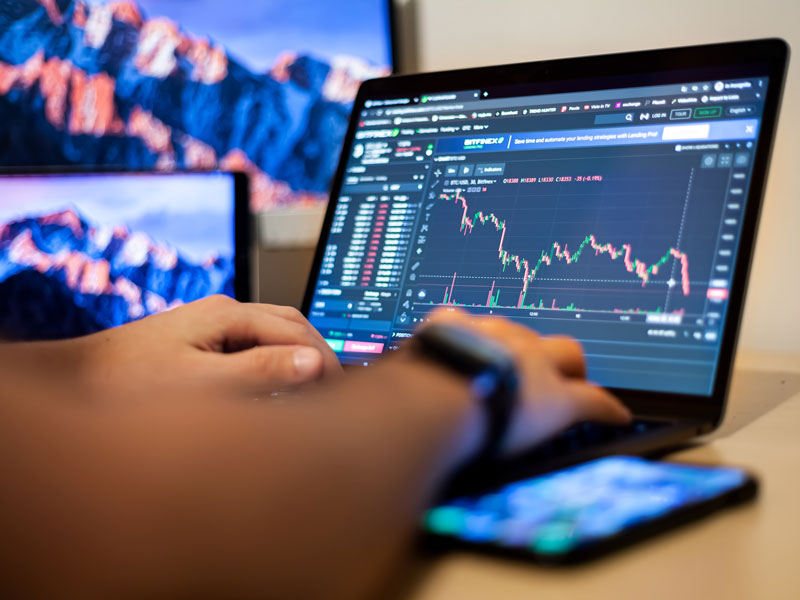
Is Forex Trading Profitable Understanding the Potential and Risks 1954304688

Is Forex Trading Profitable Understanding the Potential and Risks 1954304688

Is Forex Trading Profitable?

Forex trading, a global market for buying and selling currencies, is known for its potential to be profitable. However, as enticing as it may sound, the reality is nuanced. Many novice traders enter the market with the hopes of making quick profits, only to find themselves facing unexpected challenges. Understanding the factors that influence profitability is crucial for anyone looking to thrive in this dynamic environment. For further insights and resources on trading, visit is forex trading profitable Global Trading PK.

Understanding the Forex Market

The foreign exchange (Forex) market is the largest financial market in the world, with a daily trading volume exceeding $6 trillion. Unlike stock markets, which operate during specific hours, the Forex market is open 24 hours a day, five days a week, allowing traders to engage in trading at nearly any time. This accessibility has made Forex trading popular among retail investors.

In the Forex market, currencies are traded in pairs (e.g., EUR/USD, GBP/JPY), and traders aim to profit from fluctuations in exchange rates. The potential for significant returns exists, but it is accompanied by equally significant risks. Understanding market mechanics and being able to analyze various economic indicators can lead to more informed trading decisions.

Factors Influencing Profitability

The profitability of Forex trading depends on several factors:

1. Market Volatility

Volatility refers to the degree of variation in trading prices. High volatility can lead to larger price swings and greater profit opportunities. However, it can also increase the risk of losses for traders who do not effectively manage their positions.

2. Leverage

Leverage allows traders to control a larger position with a smaller amount of capital. While this can amplify profits, it also heightens risk. For example, a leverage ratio of 100:1 means that a trader can control $100,000 in currency with just $1,000. Consequently, while potential gains can be substantial, losses can similarly mount quickly.

3. Trading Strategy

Having a well-defined trading strategy is essential for success in Forex. Traders can adopt various strategies based on technical analysis, fundamental analysis, or a combination of both. Technical analysis relies on chart patterns and indicators, while fundamental analysis takes into account economic news, geopolitical events, and market sentiment. The right strategy can enhance decision-making and help manage risk effectively.

4. Risk Management

Effective risk management is critical in Forex trading. This includes setting stop-loss orders to limit potential losses, diversifying trades, and being cognizant of the amount of capital you are willing to risk on a single trade. Professional traders often recommend risking no more than 1-2% of their capital on any given trade to safeguard against substantial losses.

Is Forex Trading Profitable Understanding the Potential and Risks 1954304688

Common Myths About Forex Trading

Several myths surround Forex trading that can mislead new traders:

1. Forex Trading is a Get-Rich-Quick Scheme

While some traders do achieve rapid success, the vast majority require time to develop their skills, knowledge, and strategies. It’s essential to approach Forex trading with a realistic mindset and understand that consistent profits take time and discipline to build.

2. You Need a Lot of Money to Start Trading

Many brokers offer accounts with low initial deposits—some as little as $100. While starting with more capital can provide added flexibility, it’s not a requirement to begin your trading journey.

3. Trading is Highly Predictable

Forex markets are influenced by myriad factors including economic indicators, political stability, and market sentiment, making them inherently unpredictable. Successful traders focus on assessing probabilities rather than certainties.

Strategies to Increase Profitability

To increase the likelihood of profitability in Forex trading, consider the following strategies:

1. Educate Yourself

Knowledge is power in Forex trading. By understanding the market, trading strategies, and risk management techniques, traders can improve their potential for profit.

2. Start with a Demo Account

Most brokers offer demo accounts, allowing traders to practice trading without risking real capital. This is a valuable opportunity to test strategies and gain experience in the market.

3. Maintain Discipline

Discipline is one of the most important attributes a trader can possess. This includes adhering to your trading plan, avoiding impulsive decisions, and maintaining emotional control, which can prevent costly mistakes.

4. Stay Updated on Market Trends

Being aware of current economic events, market trends, and geopolitical developments can help traders make informed decisions. Economic calendars and news feeds are crucial tools for Forex traders.

Conclusion: Is Forex Trading Profitable?

Ultimately, Forex trading can be profitable, but it is not without its risks. Success in the Forex market demands careful analysis, strategic planning, and ongoing education. While some traders find a lucrative income, others may fail to tread lightly without a proper understanding of the market. Aspiring traders should enter the Forex arena with a clear strategy, solid risk management, and realistic expectations. By doing so, they will greatly enhance their potential to achieve profitable trading outcomes.

Ultimate Guide to Trading Simulator Crypto

Ultimate Guide to Trading Simulator Crypto

Trading Simulator Crypto: Your Gateway to Mastering Cryptocurrency Trading

The rise of cryptocurrencies has opened up a plethora of opportunities for traders. However, navigating the volatile nature of these assets can be daunting. This is where a Trading Simulator Crypto can play a vital role. By allowing users to practice trading in a risk-free environment, simulators provide a valuable space to hone skills, test strategies, and gain confidence. For those looking for platforms to begin their journey, you can find an extensive list at Trading Simulator Crypto https://www.nabookarts.com/website-list-591/.

But what exactly is a trading simulator? Simply put, it’s a software application that replicates real trading environments. Users can buy and sell assets using virtual currency, gaining hands-on experience without the fear of losing real money. Most simulators use real-time market data, giving traders a realistic feel of market fluctuations and enabling them to understand the intricacies of trading.

The Importance of Trading Simulators

Trading simulators are crucial for both novice and experienced traders. For beginners, they offer a safe space to learn the ropes without financial consequential risks. Strategies can be tested, and the comfort of doing so without the pressure associated with real money can lead to more effective learning. On the other hand, seasoned traders can benefit from simulators by experimenting with new strategies or quickly adapting to market changes without risking their capital.

Features to Look for in a Trading Simulator

When choosing a trading simulator, several key features can enhance the learning experience:

  • Real-Time Data: Ensure the simulator updates with live market data, helping you experience trading as it happens.
  • User-Friendly Interface: A clean and straightforward interface allows users to focus on trading strategies rather than navigating complex software.
  • Diverse Assets: The best simulators offer a wide range of cryptocurrencies for trading, including Bitcoin, Ethereum, and altcoins, allowing users to diversify their learning.
  • Performance Metrics: Access to detailed performance metrics can help traders analyze their strategies’ effectiveness and areas for improvement.
  • Community Features: A community of traders can provide support, share strategies, and create a conducive learning environment.

Benefits of Using a Trading Simulator

Ultimate Guide to Trading Simulator Crypto

Utilizing a trading simulator comes with numerous benefits:

  1. Risk Management: Traders can explore risk management strategies thoroughly without the threat of capital loss.
  2. Strategy Testing: Whether testing new trading algorithms or manual strategies, simulators provide a platform for thorough testing.
  3. Emotional Regulation: Simulated trading helps traders manage their emotions by allowing them to experience both winning and losing trades without real stakes involved.
  4. Skill Development: Continuous practice leads to improved skills, and simulators provide endless opportunities to practice.
  5. Accessibility: Most simulators are available online, making them accessible from anywhere with an internet connection.

How to Get Started with a Trading Simulator

Starting out is simple:

  1. Choose a Simulator: Based on the features listed above, select a trading simulator that fits your needs. You can refer to the resource list shared earlier for reputable options.
  2. Create an Account: Most platforms require account creation. Fill out necessary information and agree to terms of service.
  3. Set Your Preferences: Customize your trading environment as per your requirements, including selecting the cryptocurrencies you wish to trade.
  4. Start Trading: Begin your trading journey! Use virtual funds to buy and sell assets, testing various strategies.
  5. Analyze Your Performance: After a period of trading, review your performance metrics to identify strengths and weaknesses.

Common Pitfalls to Avoid

While trading simulators offer a great learning environment, it’s essential to avoid common mistakes:

  • Overconfidence: Just because you are trading with virtual money does not mean you should become complacent. Treat simulated trading with the seriousness you would with real money.
  • Neglecting Analysis: Utilize this opportunity to thoroughly analyze each decision and its outcome. Lack of analysis limits learning.
  • Ignoring Market Trends: Make sure to stay updated with market news even while trading in a simulated environment.
  • Failing to Develop a Plan: Trading without a plan can lead to random, unstructured decisions, which are not conducive to learning.

Conclusion

In conclusion, a Trading Simulator Crypto is an invaluable tool for anyone looking to delve into the trading world without the financial risk. By incorporating virtual trading into your routine, you will enhance your understanding of market mechanics, develop robust trading strategies, and build the confidence necessary to face actual trading scenarios. Remember, the ultimate goal is to transfer the skills acquired in a simulator into the real world, where the stakes are significantly higher. Start your journey today, and enjoy the learning curve that comes with it!

The Future of Investing Crypto Trading Mobile App

The Future of Investing Crypto Trading Mobile App

The Future of Investing: Crypto Trading Mobile App

In a rapidly evolving financial landscape, the rise of digital currencies has prompted a new wave of technological innovation. The Crypto Trading Mobile App is at the forefront of this revolution, allowing users to trade cryptocurrencies with ease and convenience. With an increasing number of investors turning to mobile platforms for their trading needs, it’s essential to understand how these apps work and what makes them appealing to both novice and seasoned traders. Crypto Trading Mobile App click here to explore the latest insights into the world of crypto trading.

Understanding Crypto Trading Mobile Apps

A Crypto Trading Mobile App is a platform designed for users to buy, sell, and exchange cryptocurrencies entirely from their smartphones. These applications are built to provide a user-friendly experience, allowing traders to monitor market trends, execute trades, and manage their portfolios all in one place. Key features typically include real-time market data, trading charts, and various order types.

Key Features of Crypto Trading Mobile Apps

  • User-Friendly Interface: Most apps sport an intuitive design that appeals to both inexperienced and advanced users, making it easy to navigate through markets and execute trades.
  • Real-Time Data: Accurate and up-to-date information on cryptocurrency prices is crucial for successful trading. Most apps provide live updates to ensure users can make informed decisions.
  • Security Features: Given the digital nature of cryptocurrencies, security measures, such as two-factor authentication (2FA), biometric logins, and end-to-end encryption, are vital.
  • Charting Tools: Advanced technical analysis tools, including charts and indicators, allow traders to analyze market trends and make predictions.
  • Multiple Cryptocurrencies: Most apps support various cryptocurrencies, enabling users to diversify their portfolios easily.
  • Notifications and Alerts: Users can set up alerts for price changes, news updates, and other essential market events.
The Future of Investing Crypto Trading Mobile App

Benefits of Using a Crypto Trading Mobile App

The primary advantage of crypto trading mobile apps is the accessibility they offer. Users can trade at any time and from anywhere, removing the need to be tied to a desktop computer. This flexibility enables traders to respond quickly to market changes, which can be crucial in the fast-paced crypto environment.

Moreover, mobile apps often include features that simplify the trading process, such as one-click trades and easy-to-read analytics. Some platforms even offer social trading opportunities, allowing users to follow expert traders and replicate their strategies. This feature is particularly appealing for novice investors who may feel overwhelmed by the complexities of crypto trading.

Popular Crypto Trading Mobile Apps

Several trading apps have established themselves as leaders in the market.

  • Binance: Known for its vast selection of cryptocurrencies and low trading fees, Binance offers a robust mobile app that integrates advanced trading tools with an intuitive interface.
  • Coinbase: One of the most recognized platforms, Coinbase is lauded for its user-friendly app that allows for easy purchases with fiat currency, making it ideal for beginners.
  • Kraken: This app is known for its security features and comprehensive charting options, catering to more experienced traders.
  • eToro: eToro combines crypto trading with social trading features, allowing users to mimic the trades of successful traders.

The Role of Regulations in Crypto Trading

The Future of Investing Crypto Trading Mobile App

As the cryptocurrency market continues to grow, regulatory bodies are increasingly stepping in to ensure a level playing field for all traders. Whether it’s implementing KYC (Know Your Customer) policies or ensuring that apps comply with local laws, regulations are playing an essential role in fostering trust in the crypto trading environment.

While regulations may add an extra layer of complexity to trading, they also provide essential protections for users, such as safeguarding against fraud and market manipulation. As a result, users are often encouraged to choose regulated platforms when selecting a crypto trading mobile app.

The Future of Crypto Trading Apps

The future of crypto trading apps looks promising, particularly as technology advances. We can expect more integration with emerging tech trends such as artificial intelligence (AI) and machine learning, which can offer users personalized trading experiences and predictive analytics.

Furthermore, as more traditional financial institutions and investment firms explore cryptocurrency, we can anticipate a filtering down of developments in the financial sector into mobile trading apps, including better security features, automated trading strategies, and considerably improved user interfaces.

Conclusion

In summary, the Crypto Trading Mobile App is revolutionizing how individuals engage with the world of cryptocurrencies. With a host of features that enhance user experience, security, and accessibility, these apps are paving the way for a broader acceptance of digital currencies. As the market continues to mature and evolve, embracing these technological advancements is essential for anyone looking to navigate the exciting and complex landscape of cryptocurrency trading.

The Future of Investing Crypto Trading Mobile App

The Future of Investing Crypto Trading Mobile App

The Future of Investing: Crypto Trading Mobile App

In a rapidly evolving financial landscape, the rise of digital currencies has prompted a new wave of technological innovation. The Crypto Trading Mobile App is at the forefront of this revolution, allowing users to trade cryptocurrencies with ease and convenience. With an increasing number of investors turning to mobile platforms for their trading needs, it’s essential to understand how these apps work and what makes them appealing to both novice and seasoned traders. Crypto Trading Mobile App click here to explore the latest insights into the world of crypto trading.

Understanding Crypto Trading Mobile Apps

A Crypto Trading Mobile App is a platform designed for users to buy, sell, and exchange cryptocurrencies entirely from their smartphones. These applications are built to provide a user-friendly experience, allowing traders to monitor market trends, execute trades, and manage their portfolios all in one place. Key features typically include real-time market data, trading charts, and various order types.

Key Features of Crypto Trading Mobile Apps

  • User-Friendly Interface: Most apps sport an intuitive design that appeals to both inexperienced and advanced users, making it easy to navigate through markets and execute trades.
  • Real-Time Data: Accurate and up-to-date information on cryptocurrency prices is crucial for successful trading. Most apps provide live updates to ensure users can make informed decisions.
  • Security Features: Given the digital nature of cryptocurrencies, security measures, such as two-factor authentication (2FA), biometric logins, and end-to-end encryption, are vital.
  • Charting Tools: Advanced technical analysis tools, including charts and indicators, allow traders to analyze market trends and make predictions.
  • Multiple Cryptocurrencies: Most apps support various cryptocurrencies, enabling users to diversify their portfolios easily.
  • Notifications and Alerts: Users can set up alerts for price changes, news updates, and other essential market events.
The Future of Investing Crypto Trading Mobile App

Benefits of Using a Crypto Trading Mobile App

The primary advantage of crypto trading mobile apps is the accessibility they offer. Users can trade at any time and from anywhere, removing the need to be tied to a desktop computer. This flexibility enables traders to respond quickly to market changes, which can be crucial in the fast-paced crypto environment.

Moreover, mobile apps often include features that simplify the trading process, such as one-click trades and easy-to-read analytics. Some platforms even offer social trading opportunities, allowing users to follow expert traders and replicate their strategies. This feature is particularly appealing for novice investors who may feel overwhelmed by the complexities of crypto trading.

Popular Crypto Trading Mobile Apps

Several trading apps have established themselves as leaders in the market.

  • Binance: Known for its vast selection of cryptocurrencies and low trading fees, Binance offers a robust mobile app that integrates advanced trading tools with an intuitive interface.
  • Coinbase: One of the most recognized platforms, Coinbase is lauded for its user-friendly app that allows for easy purchases with fiat currency, making it ideal for beginners.
  • Kraken: This app is known for its security features and comprehensive charting options, catering to more experienced traders.
  • eToro: eToro combines crypto trading with social trading features, allowing users to mimic the trades of successful traders.

The Role of Regulations in Crypto Trading

The Future of Investing Crypto Trading Mobile App

As the cryptocurrency market continues to grow, regulatory bodies are increasingly stepping in to ensure a level playing field for all traders. Whether it’s implementing KYC (Know Your Customer) policies or ensuring that apps comply with local laws, regulations are playing an essential role in fostering trust in the crypto trading environment.

While regulations may add an extra layer of complexity to trading, they also provide essential protections for users, such as safeguarding against fraud and market manipulation. As a result, users are often encouraged to choose regulated platforms when selecting a crypto trading mobile app.

The Future of Crypto Trading Apps

The future of crypto trading apps looks promising, particularly as technology advances. We can expect more integration with emerging tech trends such as artificial intelligence (AI) and machine learning, which can offer users personalized trading experiences and predictive analytics.

Furthermore, as more traditional financial institutions and investment firms explore cryptocurrency, we can anticipate a filtering down of developments in the financial sector into mobile trading apps, including better security features, automated trading strategies, and considerably improved user interfaces.

Conclusion

In summary, the Crypto Trading Mobile App is revolutionizing how individuals engage with the world of cryptocurrencies. With a host of features that enhance user experience, security, and accessibility, these apps are paving the way for a broader acceptance of digital currencies. As the market continues to mature and evolve, embracing these technological advancements is essential for anyone looking to navigate the exciting and complex landscape of cryptocurrency trading.