The fight for attention in digital gaming is brutal. Developers frequently rely on dazzling visuals or constant marketing. Yet a different pattern is emerging. True lasting success isn’t born from a gimmick. It stems from a simple concept: respect the player. This is known as a “Player First” philosophy. It means clear regulations, honest gameplay, and letting the community guide a game’s growth, instead of chasing quick profits. The UK industry, known for its knowledgeable gamers and strict rules, illustrates this well. Take the Big Bass Crash title. Its ascent is no accident. It’s a powerful lesson. When a game’s design reflects what players actually value, it creates a dedicated following. This synergy is reshaping expectations. It proves that in today’s digital world, the best strategy is to make the player the priority.
Understanding the “Player-Centric” Approach in iGaming
“Player First” is more than a slogan. It’s a framework that molds a game from the ground up. It influences how the title works, how the studio interact with users, and how it evolves over time. The old model viewed players as customers. The new paradigm sees them as partners. This partnership calls for transparent systems, not gimmicks that exploit on behavior. It demands explicit, upfront information on any funds spent. And it means heeding when players give opinions. In regions like the UK, with strong consumer laws, this approach aligns well with both the rules and the local norms. For a title like Big Bass Crash, it’s about earning confidence through consistent design. The thrill should arise from the game itself, not from concealed odds or a nudge to keep spinning. The effect is a more sustainable ecosystem that serves everyone.
Side-by-Side Comparison: Player-Centric vs. Conventional Models
Stacking the Player First model against older game designs illustrates why it’s becoming popular. Many traditional games, particularly in the online casino sector, use strategies intended to keep players hooked on the screen and spending continuously, at times without their full awareness.
- Intricacy vs. Straightforwardness: Classic slot machines might offer complicated bonus games and dozens of paylines that are hard to follow. Big Bass Crash presents one simple mechanic.
- Authority: Games with auto-play and quick-spin options can make the player a passive spectator. Big Bass Crash demands a deliberate, conscious selection for every single outcome.
- Transparency: Some games conceal their Return to Player (RTP) percentages or exhibit extreme fluctuation. The crash game model offers an immediately understandable, though uncertain, risk curve.
- Community: Plenty of games are lonely pursuits. The crash format naturally builds a shared, live event.
Why the British market is Particularly Open
The UK’s internet casino market is among the most developed and strictly controlled anywhere. This has fostered a user group that is both properly shielded and extremely choosy. A history of regulatory changes have taught players about their protections and what equitable, ethical design looks like. They are quick to leave games that feel exploitative or are opaque. Big Bass Crash, with its clear mechanics, focus on controlled choices, and easy fit with responsible gaming tools, integrates seamlessly with this ecosystem. It meets compliance requirements not as a tedious necessity, but as a core design principle. Its growing popularity demonstrates a market voting with its feet. Players are selecting a product that aligns with their beliefs. They prefer direct, enjoyable, and ethically crafted games over those that are built purely on showy tricks or addictive cycles.
Establishing a Community Centered on Common Moments
The feeling of Big Bass Crash transcends a single player’s screen. It creates a Player First world by generating shared moments, which are key for a game’s lifespan. The format is social by nature. Multiple players ride the same climbing multiplier curve, sharing the collective buzz as the numbers rise. This inherently sparks conversation. People discuss tactics and cheer or complain over a crash together. Online platforms and live streams boost this effect, transforming a solo game into a group spectacle. Developers and the sites featuring the game often promote this. They spotlight major wins and provide space for players to interact. This community work transforms the game. It moves beyond being just software and becomes a social spot. The value isn’t only in a potential payout, but in belonging to a group’s exciting moment.
Transparency and Fairness as Non-Negotiable Pillars
UK gamblers, defined by stringent regulations from the UK Gambling Commission, do not view transparency as a extra. They regard it as a necessity. Big Bass Crash meets this demand head-on. The chance of each crash is confirmable and protected. The title typically employs certified Random Number Generator (RNG) mechanisms that face regular reviews. It doesn’t claim to be a proficiency game where it isn’t. Rather, it presents itself honestly as a game of probability with one defined instance of planning. This integrity establishes a standing. Users can interact aware the game’s soundness is a concern, which is a bedrock of controlled play. The contrary tactic—a feeling that consequences are manipulated or vague—erodes trust rapidly. It’s a trap the product’s designers carefully avoid.
The Future of Gaming: A Lasting Shift Toward the Player
The positive response for Big Bass Crash’s philosophy in markets like the UK suggests a bigger, lasting shift for the industry. As gamers become more informed and authorities implement tighter controls, the business case for unethical or exploitative design weakens. The path forward points toward games designed for sustainable engagement, where confidence and enjoyment are the main tools for keeping players. We can expect to see more advancement in clear mechanics, improved social and community features, and even smoother inclusion of safe gaming features within the game itself. Games that embrace the Player First blueprint, emphasizing long-term community over immediate profit, are ready to define this next era. They show a basic truth. The most effective way to create a winning game is to truly respect the intellect, liberty, and welfare of the individual playing the game.
The Strategic Simplicity That Empowers Players
Big Bass Crash draws strength from a straightforward concept. This clarity, strangely, leads to serious engagement. Gamers don’t have to commit to memory complex regulations, symbol guides, or lengthy payout tables. The whole experience boils down to a one, crucial action: clicking the “Cash Out” option ahead of the multiplier breaking. This keen focus gives power to the gamer. They alone are accountable for their decision, based on their own willingness to take chances. It generates a tangible pressure, a straight line between move and outcome. This feeling of control is central to the Player-Centric concept. By paring down the experience to only one obvious, user-driven bet, the game values the player’s freedom and decision-making. A victory feels like a individual achievement. A setback feels like a understood chance, not a bewildering malfunction in the platform.
How Big Bass Crash Reflects Core Player-Centric Values
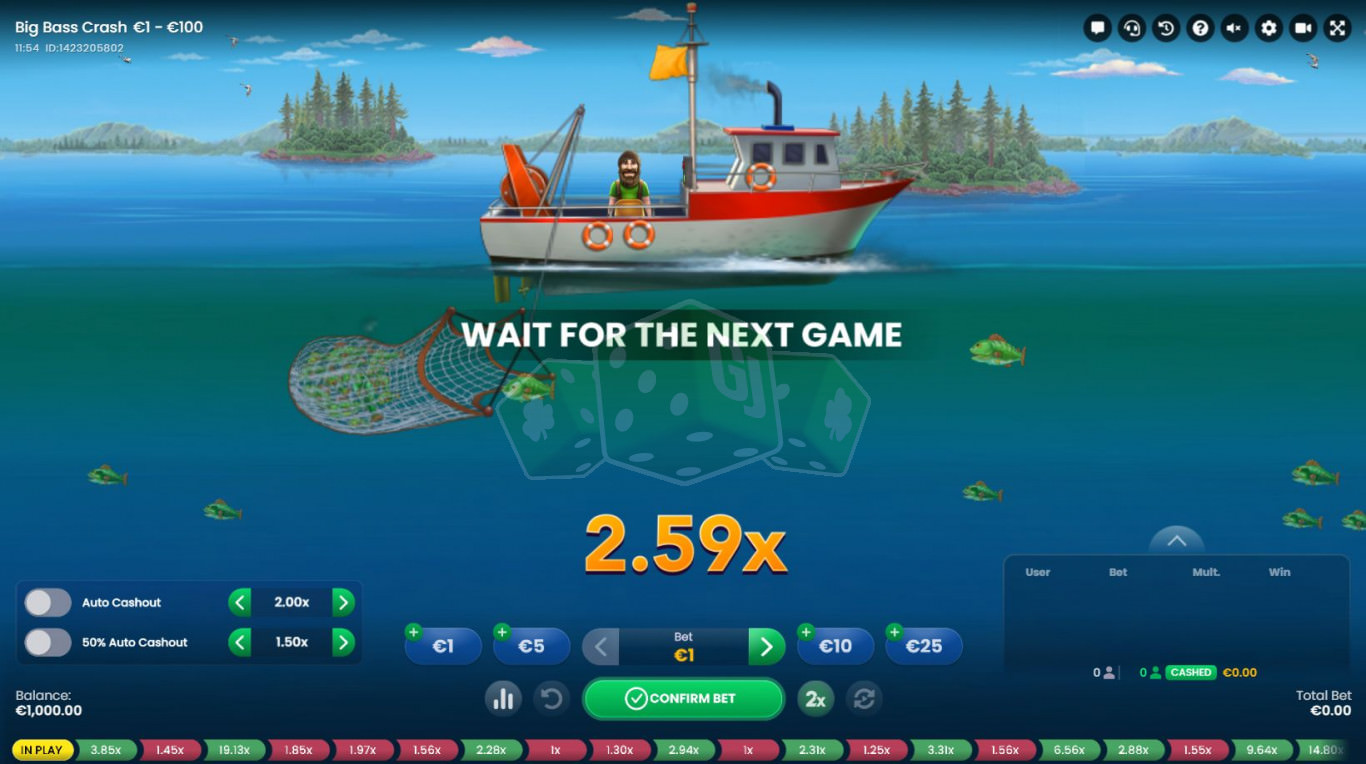
Big Bass Crash turns its player-first rhetoric into reality through targeted design choices. The main game system is a multiplier that ascends a curve until a random “crash” happens. In appearance, it’s uncomplicated. Players understand the risk and reward instantly. There are no hidden mini-games or confusing bonus features to cloud the experience. This clarity is essential. The game also avoids elaborate stories or complex leveling systems that might coerce players into longer playtimes. Every round is a fresh opportunity. The player chooses when to play and for how many rounds. A uncluttered, intuitive interface stays unobtrusive. The focus stays on that one strategic choice: when to cash early. This design respects the player’s discernment. It presents a tool for fun, not a maze created to capture and hold attention.
Responsible Gaming Integration in Design
A genuine Player First philosophy must actively support safe play. Here, the entire structure of big bass crash game spins Bass Crash provides inherent safeguards. The title is built on compact, separate rounds. This generates natural stopping points, unlike the unending, automatic-pilot loops of some slots. Trustworthy UK platforms enhance this by including mandatory tools like deposit limits, session timers, and clear links to support services such as GamStop and GamCare. The game’s simple design also aids with self-awareness. Because the core action is a one-time, thoughtful cash-out decision, users might stay more aware of their spending compared to the quick, automated play of different genres. This design illustrates that safe play can be part of the game’s core, not just a footnote in the terms.